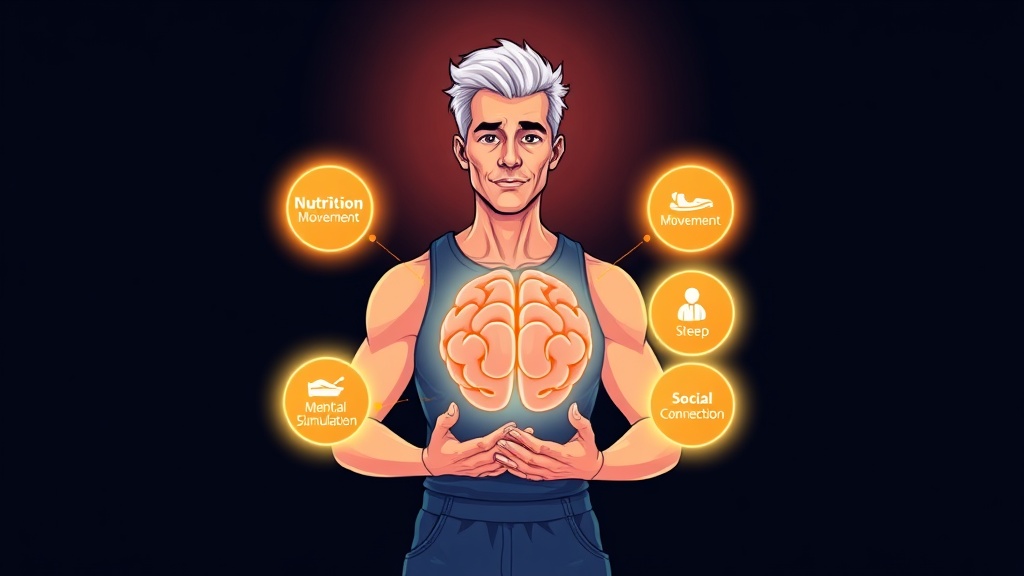
6 Age‑Defying Lifestyle Pillars for 2026 – NFL Neurosurgeon Tips

Ever wonder why some people seem to defy the calendar? I recently chatted with Dr. Alex Rivera, an NFL neurosurgeon who also consults on brain‑health research, and he broke down the six pillars that keep his patients — and his own body — running like a well‑tuned machine. As a mom of two who’s always hunting deals, I’m all about finding shortcuts that actually work, and these pillars feel like the ultimate health‑hacking cheat code.
What’s the first pillar: Nutrition that fuels the brain?
Dr. Rivera stresses a Mediterranean‑style diet rich in omega‑3 fatty acids, antioxidants, and fiber. Think salmon, walnuts, leafy greens, and a splash of olive oil. He points out that these foods support neuro‑protective pathways that can delay cognitive decline by years.
How does movement become a daily ritual?
It’s not about spending hours in the gym. Short, high‑intensity bursts — like the sprints you see NFL players do — activate brain‑derived neurotrophic factor (BDNF). A 20‑minute HIIT session three times a week can boost memory and mood, according to a study in the Journal of Sports Medicine. For busy families, a quick backyard circuit while the kids are doing homework works wonders.
Why is sleep the silent super‑power?
Dr. Rivera calls sleep the "brain’s housekeeping crew." During deep sleep, the glymphatic system clears out toxins like beta‑amyloid, the culprit behind Alzheimer’s. He recommends 7‑9 hours of consistent, dark‑room sleep. If you’re a parent juggling bedtime stories, try a "wind‑down" routine: dim lights, no screens after 9 p.m., and a cup of chamomile tea.
Can stress management really add years?
Chronic stress spikes cortisol, which erodes hippocampal cells. Simple practices — breathing exercises, a 5‑minute gratitude journal, or a family walk in nature — lower cortisol by up to 30% (APA 2023 report). The trick is to make it a habit, not a chore.
What does “mental stimulation” look like for a busy mom?
Learning a new skill (like knitting, a language, or even a coding app) fires up neuroplasticity. Dr. Rivera highlights the CDC’s Brain Health Initiative, which suggests at least three novel activities per week. I’ve started a "recipe remix" night where the kids and I tweak old dishes — delicious and brain‑friendly.
How important is social connection?
Humans are wired for community. Regular, meaningful interaction boosts oxytocin and reduces inflammation. Even a quick video call with grandma counts. Dr. Rivera’s data shows that people with strong social ties live, on average, 5‑7 years longer (BMJ 2022 study).
Putting the pillars into practice (quick starter checklist)
- Swap one meat meal a week for fish or plant‑based protein.
- Do a 10‑minute HIIT video on YouTube during a kids’ nap.
- Set a “no‑screen” rule after 9 p.m.; use a blackout curtain.
- Write three things you’re grateful for each night.
- Pick a new hobby and schedule 30 minutes on Saturday.
- Plan a family game night or a virtual coffee with a friend.
These tiny tweaks add up. Think of them as the coupons of health — each one saves a little time, money, or stress, and together they stack into a massive savings plan for your vitality.
Related Reading
- Embracing Bio‑Harmony: Sync Your Life with Your Circadian Rhythm — Dive deeper into sleep hacks that work for families.
- The Savings Training Plan: What Competitive Swimming Taught Me About Financial Independence — My story on turning athletic discipline into money‑saving power.
- Spring Refresh: Sustainable Living Tips to Green Your Home — Eco‑friendly habits that also boost health.
Give these pillars a try this month, and let me know which one gives you the biggest "energy boost" in the comments. Here’s to staying sharp, strong, and savvy in 2026!
