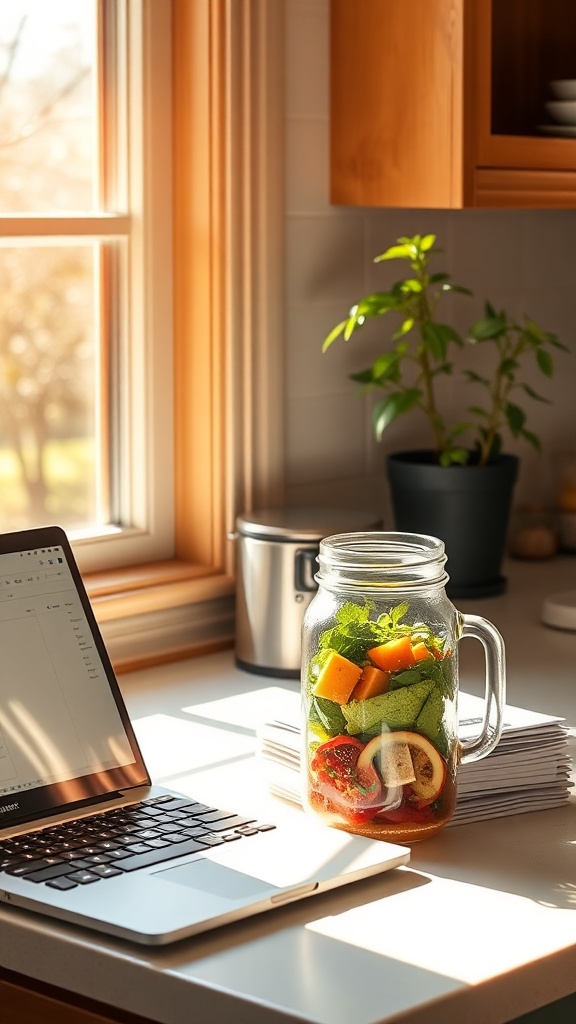
Budget‑Friendly Meal Prep for Remote Workers: Easy, Healthy, and Wallet‑Smart

Budget‑Friendly Meal Prep for Remote Workers: Easy, Healthy, and Wallet‑Smart
Ever stare at your pantry at 9 am, wonder what to eat for lunch without blowing your budget? You’re not alone. As a mom of two juggling remote‑work meetings, school pickups, and endless coupon hunting, I’ve learned that a solid meal‑prep plan is the secret sauce to staying fed, focused, and financially sane.
Why does meal prep matter for remote workers?
Working from home blurs the line between "work" and "home". Without a clear lunch routine, you might end up ordering takeout, snacking mindlessly, or skipping meals altogether—each option costing time, money, or both. A well‑structured prep routine gives you:
- Predictable costs. Buy in bulk, use coupons, and avoid surprise takeout bills.
- Consistent nutrition. Keep energy steady for those marathon Zoom calls.
- Time savings. Spend 30 minutes on Sunday, not 30 minutes every weekday hunting for something to eat.
What ingredients should I stock for a budget‑friendly, remote‑work friendly pantry?
Think versatile, inexpensive, and shelf‑stable. Here’s my go‑to “starter pantry” that keeps my family fed for a whole week without breaking the bank:
- Whole‑grain rice or quinoa — cheap, filling, and pairs with almost anything.
- Canned beans (black, chickpeas, kidney) — protein‑packed and ready to toss into salads or soups.
- Frozen vegetables — often cheaper than fresh and just as nutritious (see USDA’s nutrition guide).
- Bulk oats — perfect for breakfast bowls or homemade granola.
- Eggs — inexpensive, high‑quality protein that cooks in minutes.
- Seasonal fresh produce (think spring greens, carrots, and herbs) — buy on‑sale and freeze or use within the week.
- Low‑sodium broth cubes — add depth to soups without the cost of premade broth.
How can I keep costs down while still eating healthy?
Below are three proven strategies I use every month. They’re simple, but they add up to serious savings.
- Coupon‑stacking with bulk purchases. I use CouponMom to find manufacturer coupons and then stack them with store sales on staples like rice, beans, and frozen veggies. The result? Up to 60 % off the regular price.
- Meal‑prep in batches. Cook a big pot of grain, roast a sheet‑pan of mixed veggies, and boil a dozen eggs on Sunday. Portion into reusable containers, label with the day, and you’ve got a ready‑to‑heat lunch for the entire workweek.
- Use free meal‑planning apps. PlanMyMeals (free tier) lets you map out a week’s menu, auto‑generates a shopping list, and highlights which items you already have in your pantry. I linked a deeper dive in my Spring Meal Planning guide.
What are three quick, budget‑friendly recipes I can prep in under an hour?
All three recipes use the pantry staples above, serve four, and keep under $15 total cost (including fresh herbs).
1. One‑Pot Mexican Quinoa
- 1 cup quinoa, rinsed
- 1 can black beans, drained
- 1 cup frozen corn
- 1 tsp cumin, ½ tsp chili powder
- 2 cups low‑sodium broth
- Optional: fresh cilantro and lime wedges for serving
Combine everything in a pot, bring to a boil, reduce heat, cover, and simmer 15 minutes. Fluff and portion. Prep time: 20 minutes.
2. Veggie‑Egg Fried Rice
- 2 cups cooked rice (cold)
- 2 eggs, lightly beaten
- 1 cup frozen mixed veggies
- 2 Tbsp soy sauce (look for sales)
- 1 tsp sesame oil (optional)
Heat oil in a skillet, scramble eggs, set aside. Toss veggies until hot, add rice, return eggs, stir in soy sauce. Prep time: 15 minutes.
3. Chickpea‑Spinach Curry
- 1 can chickpeas, drained
- 2 cups fresh spinach (or frozen)
- 1 cup canned diced tomatoes
- 1 tsp curry powder, ½ tsp garlic powder
- ½ cup low‑sodium broth
Simmer all ingredients for 10 minutes. Serve over quinoa or rice. Prep time: 20 minutes.
How do I store and reheat my prep‑made meals safely?
Safety is non‑negotiable, especially when you’re juggling kids and Zoom calls.
- Cool before refrigerating. Let cooked food sit for 30 minutes, then transfer to airtight containers.
- Label with date. A simple "Wed Mar 30" sticker prevents accidental spoilage.
- Reheat to 165 °F (74 °C). Use a food thermometer or make sure steam is brisk.
- Freeze leftovers. Portion into freezer‑safe bags; they’ll last up to three months. Thaw in the fridge overnight before reheating.
What’s the bottom line? How can I start tomorrow?
Take three tiny actions tonight:
- Open your favorite coupon site and hunt for a deal on rice or beans.
- Write a quick grocery list using the pantry staples above.
- Set a 30‑minute timer for Sunday prep (cook rice, roast veggies, boil eggs).
By next Monday, you’ll have a full week of nutritious, budget‑friendly meals waiting in your fridge—freeing mental bandwidth for work, kids, and maybe a little “me” time.
Ready for more remote‑work savings?
If you loved this guide, you’ll also enjoy my Mindful Morning Routine for a productivity boost, and the Savings Training Plan where I translate swim‑training discipline into money‑saving habits.
Happy prepping, and may your pantry be ever‑full and your wallet ever‑light!
Jessica Martinez, founder of Woman Freebies
