Daylight Saving Time Shift: Easy Hacks to Adjust Your Sleep and Boost Spring Energy

Featured image:
Daylight Saving Time Shift: Easy Hacks to Adjust Your Sleep and Boost Spring Energy
Featured image: https://v3b.fal.media/files/b/0a92d982/EYwEioT4VnGZgaScbjz8R.jpg
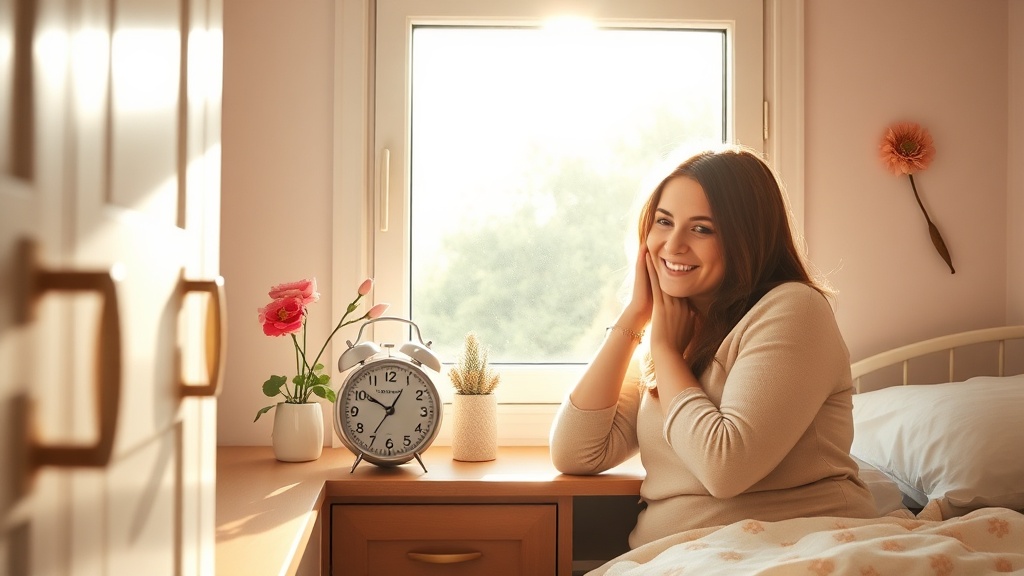
Alt text: Bright spring morning kitchen window with sunlight streaming onto a bedside alarm clock as a smiling mom adjusts her sleep schedule.
Hook
Did you know that the “spring forward” clock change can shave an extra hour of grogginess from your morning routine—if you plan for it? I felt that 30‑minute fog the first time the clocks jumped on March 8, 2026, and my kids were bouncing off the walls by noon. Below are the exact steps I used to turn that lost hour into spring‑charged energy for the whole family.
Context
Daylight Saving Time (DST) isn’t just a calendar quirk; it’s a physiological reset that hijacks our internal clocks. For busy moms juggling school drop‑offs, work meetings, and the endless hunt for freebies, a smooth transition can mean the difference between a chaotic morning and a productive day. Let’s hack the shift so you can keep your family on schedule and feel refreshed.
How Does Daylight Saving Time Actually Affect My Body?
Research shows that the one‑hour loss in spring disrupts sleep‑wake cycles, leading to slower reaction times and a dip in mood for up to a week after the change. The culprit is our circadian rhythm, the internal timer that regulates hormone release, body temperature, and alertness. When the light‑dark schedule flips, melatonin production lags, making it harder to fall asleep at night and wake up feeling rested in the morning.
What Simple Bedtime Tweaks Can I Make Tonight?
- Shift Your Lights – Dim the lights 30 minutes earlier than usual. Blue‑light‑blocking bulbs or a simple pair of amber glasses can cue your brain that bedtime is coming 【NIH】.
- Add a “Wind‑Down” Ritual – A 10‑minute stretch, a warm cup of caffeine‑free tea, or reading a short story with the kids signals the end of the day.
- Prep the Bedroom for Morning Light – Keep curtains slightly open so sunrise light floods the room. Natural light is the fastest way to reset your circadian clock.
Pro tip: I set a “sunrise alarm” on my phone (a gentle sunrise video) and it cuts my grogginess in half.
How Can I Use Morning Light to My Advantage?
- Get Sunlight Within 30 Minutes of Waking – Step onto the porch, sip coffee by an open window, or do a quick 5‑minute yoga flow near a sunny spot. Bright light tells your brain “it’s daytime,” boosting cortisol and alertness.
- Avoid Screen Glare – Keep phones and tablets out of the bedroom until after you’ve soaked up natural light. The blue light can push melatonin production back another hour.
Which Evening Habits Should I Tweak to Prevent Night‑Time Fatigue?
| Habit | What to Change | Why It Helps |
|---|---|---|
| Caffeine | Cut off coffee/tea by 2 p.m. | Caffeine’s half‑life can linger 5‑6 hours, delaying sleep onset. |
| Heavy Meals | Finish dinner 2‑3 hours before bed | Digestion raises core body temperature, making it harder to fall asleep. |
| Screen Time | Switch to “night mode” or use a blue‑light filter after 9 p.m. | Reduces melatonin suppression. |
| Household Noise | Use a white‑noise app or fan | Masks sudden sounds that could trigger awakenings. |
How Can I Involve My Kids in the Transition?
Kids love a routine, so turn the DST shift into a family challenge:
- “Sleep Score” Chart: Each night, rate how quickly everyone fell asleep (1‑5). Offer a small reward (extra story time) for the highest average.
- Morning Sun Hunt: Whoever spots the sunrise first gets to pick breakfast. It makes getting up a game rather than a chore.
What Are Some Quick “Energy‑Boost” Hacks for the First Week?
- Hydrate First Thing – A glass of water jump‑starts metabolism and combats the dehydration that can worsen fatigue.
- Mini‑Movements – Do 5‑minute stretches or a quick walk during lunch. Physical activity spikes dopamine, offsetting the DST‑induced dip in mood.
- Limit Alcohol on Weekends – Alcohol fragments REM sleep, making the adjustment feel longer.
How Does This Fit Into My Bigger Spring‑Health Plan?
I recently wrote about syncing my life with my circadian rhythm this spring—check out that post for a deeper dive on light exposure and meal timing. Pair those strategies with the DST hacks above, and you’ll notice:
- More consistent energy from morning till bedtime.
- Fewer mood swings during the “lost‑hour” week.
- Better focus for work or school projects.
Takeaway
The DST jump doesn’t have to be a setback. By dim‑ming lights early, flooding your bedroom with morning sun, and tweaking evening caffeine and screen habits, you can turn an hour lost into a spring‑time boost for the whole family. Try the simple checklist tonight, involve the kids, and watch your mornings transform from groggy to glorious.
Ready to jump‑start your spring energy? Start with the bedtime ritual tonight, and let the sunrise be your natural alarm tomorrow.
Related Reading
- Embracing Bio‑Harmony: Sync Your Life with Your Circadian Rhythm This Spring – A deeper look at light exposure and meal timing.
- Spring Refresh: Sustainable Living Tips to Green Your Home – Eco‑friendly habits that complement a healthy sleep routine.
- Spring Cleaning Deals 2026: 7 Smart Buys I’d Consider Right Now – Gear that can help you create a calm, clutter‑free bedroom.
Meta excerpt: Learn science‑backed, mom‑tested hacks to breeze through the daylight saving time change, improve sleep hygiene, and boost your spring energy.
Tags: daylight saving, sleep hygiene, spring energy, health, mom life
