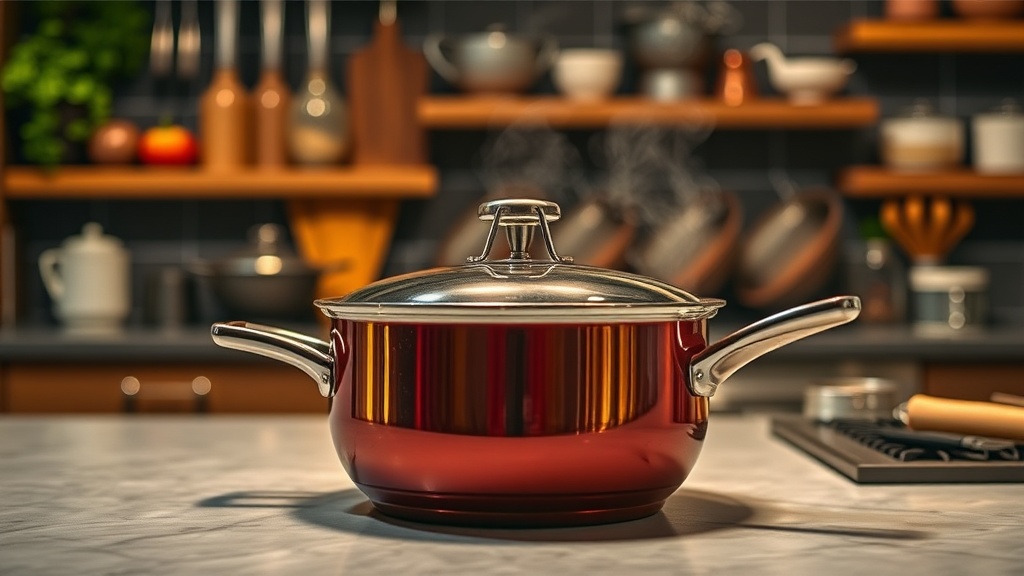
Score Free High-End Kitchen Gadgets and Cookware Through Testing

You will learn exactly how to find, apply, and qualify for high-end kitchen product testing opportunities to get premium cookware and appliances for $0.
Most people think product testing is just for small items like soap or snacks, but you can actually land high-end Dutch ovens, air fryers, and even espresso machines this way. This process involves joining specialized consumer research panels and brand-specific testing programs where companies send you full-sized products in exchange for your honest feedback. It’s a legitimate way to upgrade your kitchen without spending a dime of your household budget.
I’ve seen people score items from brands like Le Creuset or Vitamix through these methods. It isn't luck—it's about being in the right place at the right time with a solid profile. If you're tired of seeing the same "free sample" offers that are just tiny packets of seasoning, this is the level you want to aim for.
How Do I Find Free High-End Kitchen Product Testing Programs?
You find these opportunities by monitoring brand websites, joining market research agencies, and setting up alerts for specific consumer testing platforms.
The most direct way is to go straight to the source. Major kitchenware companies often have "insider" or "loyalty" programs that include testing opportunities. For example, if you love high-end coffee gear, you might want to check out Nespresso or similar premium brands to see if they have any active consumer feedback loops. Often, these aren't advertised on a billboard; they are tucked away in the "About Us" or "Community" sections of their official sites.
Aside from brand-direct sites, there are massive research firms that act as middlemen. These companies are hired by manufacturers to gather data. Some of the heavy hitters include:
- Influenster: Great for smaller kitchen gadgets and trendy appliances.
- Bounty Program/Home Tester Club: This is a goldmine for household goods and kitchen essentials.
- UserTesting: While often digital, they sometimes have physical product testing segments.
- Amazon Vine: This is a bit of a "holy grail" status, but once you become a frequent, helpful reviewer on Amazon, you might get invited to this program where you receive free products to review.
Don't forget to check specialized forums. Sometimes, when a brand is launching a new line of cast iron or high-tech blenders, they look for specific demographics on sites like Reddit or niche cooking forums. It's a bit of a hunt, but the payoff is worth the effort.
What Qualities Do Brands Look For in Kitchen Testers?
Brands look for specific demographics, including age, household size, income level, and current cooking habits, to ensure their data is accurate.
When you sign up for a testing profile, you'll be asked a lot of questions. It might feel intrusive, but don't take it personally—it's how they filter. If a company is testing a high-end, $400 stand mixer, they probably want to send it to someone who actually bakes or has a household with a certain income level. It's not about being "rich"; it's about being the target audience for that specific tool.
A pro tip (and I've learned this the hard way): always be honest in your profiles. If you say you're a professional chef just to get a fancy knife set, but your profile shows you only cook microwave meals, they'll flag you. Consistency is key to building a reputation as a reliable tester.
If you've already mastered getting free items in other categories, you might find this familiar. For instance, if you've already looked into getting free high-end coffee and tea, the logic is identical. You are providing data in exchange for the product.
Here is a quick breakdown of the different "levels" of testing you'll encounter:
| Testing Type | Typical Product | Effort Level | Reward Value |
|---|---|---|---|
| Micro-Testing | Spices, small utensils | Low (Short survey) | $5 - $15 |
| Medium Testing | Toasters, hand mixers | Medium (Photo/Review) | $30 - $80 |
| Premium Testing | Dutch ovens, Air Fryers | High (Detailed feedback/Video) | $150 - $400+ |
How Much Time Does It Take to Become a Product Tester?
It can take anywhere from a few weeks to several months of consistent profile updating and survey participation before you receive your first high-end item.
You won't get a $300 air fryer the day after you sign up for a website. There is a buildup period. You'll likely start with smaller, "low-stakes" testing opportunities—think things like wooden spoons or silicone baking mats. These are the "entry-level" wins. Completing these successfully builds your "tester score" within the platform's algorithm.
The more you provide high-quality, detailed feedback, the more likely you are to be selected for the "big" stuff. When a brand asks for a review, don't just say "I liked it." Tell them about the heat distribution of the pan or the noise level of the blender motor. That level of detail makes you a valuable asset to them.
It's a marathon, not a sprint. I tell my friends all the time: stay active. Log in once a week, update your preferences, and keep your eyes peeled for new campaigns. If you just sign up and forget about it, you'll never see the high-end rewards.
If you're already in the habit of finding free items for your home, you might want to check out my guide on how to fill your countertops with high-end appliances. The strategies overlap significantly.
Common Pitfalls to Avoid
The biggest mistake people make is being too vague or being dishonest on their applications, which leads to immediate disqualification.
Many people try to "game" the system by selecting the highest possible income or the most "expert" cooking skills. While it's tempting, brands have sophisticated ways of cross-referencing data. If you're caught in a lie, you'll likely be blacklisted from that specific platform or brand. It's better to be a "regular home cook" who is a reliable, honest reviewer than to try and pretend to be a professional.
Another thing to watch out for is "scammy" looking sites. Legitimate product testing will never ask you to pay a shipping fee or a "membership fee" to receive a product. If a site asks for your credit card number to "verify your address" for a free item, close the tab immediately. Real testing programs are paid for by the manufacturer, not the consumer.
Also, keep an eye on your email. Many of these opportunities are "first come, first served." If a brand like KitchenAid sends out an invite for 50 testers, and you wait three days to respond, you've already missed out. Set up a dedicated email address just for your testing profiles so these invites don't get lost in your junk mail or your daily newsletter clutter.
It's a bit of a lifestyle change, but once you get that first high-end item in the mail, you'll realize how much fun it actually is. It's not just about the free stuff—it's about having a hand in the development of products you actually use every day.

Steps
- 1
Join Trusted Product Testing Networks
- 2
Optimize Your Profile for Kitchen Enthusiast Tags
- 3
Apply for Specific Kitchen Product Campaigns
- 4
Provide Detailed and Honest Product Reviews