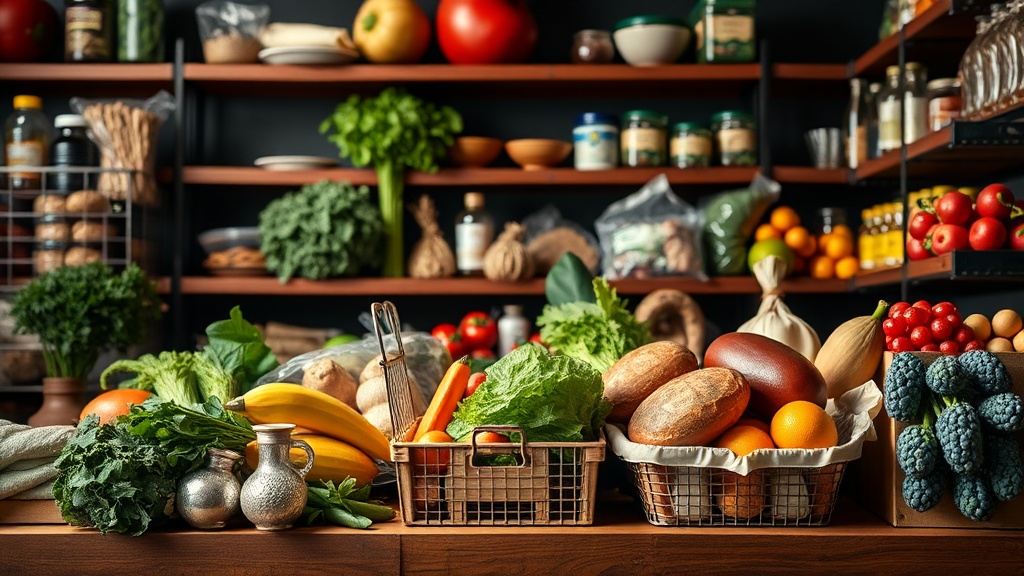
Stock Your Pantry with High-End Organic Groceries for Less

You're going to learn exactly how to fill your pantry with high-quality organic goods, pantry staples, and premium snacks without paying full retail price. We're covering the specific methods to find digital coupons, utilize store loyalty programs, and hunt for the best seasonal clearances so your grocery budget goes much further.
Most people think organic and premium brands are strictly for big budgets, but that's just not true if you know where to look. I've spent years perfecting the way I shop for my two kids, and I can tell you—the secret isn't spending more money; it's spending it smarter. You don't need a massive paycheck to have a kitchen full of the good stuff.
Where can I find the best organic grocery deals?
The first place you should look isn't actually the grocery store shelf—it's the digital space. Most major retailers now have apps that offer much deeper discounts than what you see in the physical circular. For example, stores like Whole Foods or Sprouts often have digital coupons that aren't printed in the newspaper. You have to go into the app and "clip" them to your account. If you don't click that button, you're leaving money on the table.
I always keep a dedicated folder on my phone for my favorite grocery apps. This way, I'm not scrambling at the checkout line while the line behind me gets frustrated. You should also keep an eye on sites like Coupons.com for manufacturer-specific deals. Sometimes, a brand will offer a rebate that covers nearly the entire cost of a product if you use a specific digital code. It feels like a win every time I see that total drop at the register.
The magic of store loyalty programs
Don't sleep on the loyalty cards! It sounds basic, but these programs are the backbone of smart shopping. Many stores use these programs to track what you buy and then send you personalized offers. If you buy organic almond milk every week, expect to see a coupon for that exact item in your inbox or app. It's not a coincidence—it's data-driven saving.
I also love checking the "Buy One, Get One Free" (BOGO) sections. A lot of people skip these because they think they have to buy a huge quantity, but if you're shopping for a single household, a BOGO deal on a premium olive oil or a high-end nut butter is a perfect way to stock up. Just make sure you're actually going to use the second item before you grab it!
How do I stack coupons for grocery items?
Stacking is where the real fun begins. To me, there is no better feeling than seeing a product ring up for essentially zero dollars. Stacking is the process of combining multiple discounts on a single item. For instance, you might find a store-wide sale on organic pasta, and then use a digital manufacturer's coupon on top of that sale price. If you're lucky enough to have a cashback app like Ibotta, you can often layer a third layer of savings there too.
Here is a quick breakdown of how a typical "stack" looks in practice:
- Step 1: Wait for a store sale (e.g., 25% off all organic snacks).
- Step 2: Find a manufacturer digital coupon for that specific brand.
- Step 3: Use a cashback app to get a percentage back after the purchase.
By following this three-step method, you're not just getting a discount; you're virtually erasing the cost of the item. It takes a little more time to plan, but it's well worth it when you're looking at your monthly budget and seeing much more breathing room.
What are the best times to buy pantry staples?
Timing is everything in the world of deal-hunting. If you wait until you're completely out of flour or coffee, you've already lost. You have to shop ahead of the curve. I always keep a running list of my "must-haves" and I only buy them when they hit a certain price point. For example, I rarely buy premium spices at full price. I wait until they are marked down or until a coupon makes them nearly free.
Seasonal cycles also play a massive role. You'll often see certain items, like heavy grains, certain oils, or even holiday-themed organic snacks, go on deep clearance right after the season ends. Keep an eye on the clearance aisles—they are gold mines for high-end goods that are just being rotated out for new packaging or seasonal flavors. You can check sites like The Penny Hoarder for general tips on timing, but often, the best way is to just pay attention to your local store's cycles.
One thing I've noticed is that grocery stores often have "loss leaders." These are products they sell at a loss just to get you through the doors. Usually, these are high-demand items like organic eggs, milk, or bread. If you see a loss leader, buy a little extra if you can. It's a great way to build up a surplus without breaking the bank.
Can I get free samples of high-end foods?
Yes, you absolutely can! Many premium food brands want you to try their products so you'll become a lifelong customer. This is where the "freebie" side of my passion really kicks in. Many companies run product testing programs where they send you a full-sized box of their new organic granola or a new brand of sparkling water in exchange for your honest feedback. It's not just about the free food, though—it's about being part of the brand's growth.
To find these, you'll want to look for "product testing" or "sampling" opportunities on social media and through specific brand websites. It's a bit more involved than just clipping a coupon, but when a box of high-end organic crackers shows up on my doorstep for free, I'm thrilled. It's a great way to discover new favorites without any financial risk.
Always remember to be honest in your reviews. These companies value authentic feedback, and if you provide it, you're more likely to be selected for future testing opportunities. It's a win-win situation for everyone involved. Happy hunting, and I'll see you at the checkout line!
