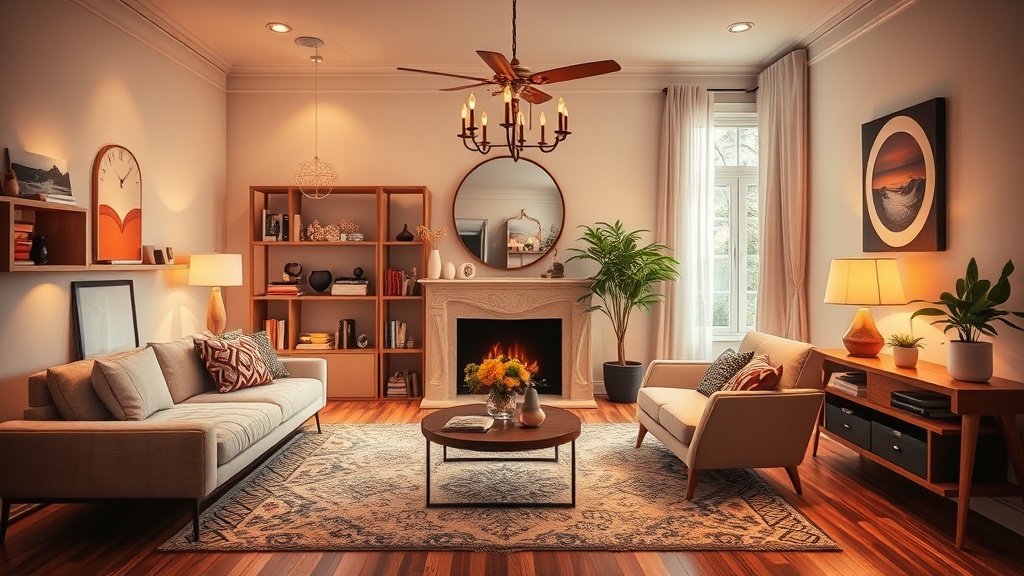
Unlock Designer Home Decor for Free Using Points and Product Testing

Over 70% of consumer goods companies allocate a significant portion of their marketing budget to "product seeding," a process where they send high-value items directly to consumers in exchange for feedback or social media exposure. This means that the luxury throw pillows, scented candles, and high-end ceramic vases you see on your Instagram feed aren't always purchased; often, they are part of a strategic brand giveaway. By understanding how these companies operate, you can position yourself to receive premium home decor without ever swiping your credit card.
The Mechanics of Product Testing for Home Decor
Product testing is a professional marketing strategy used by home goods brands to refine their designs before a full-scale market launch. Companies like Williams-Sonoma, West Elm, or even boutique brands found on Etsy occasionally seek "consumer testers" to evaluate the durability, aesthetic appeal, and functionality of new home collections. Unlike traditional surveys, these programs often involve receiving a physical product to use in your actual living space.
To qualify for these opportunities, you must move beyond being a casual shopper and become a "micro-influencer" or a "verified reviewer." Brands are looking for specific demographics: the "new homeowner," the "nursery decorator," or the "seasonal entertainer." If you are currently decorating a new nursery or hosting holiday dinners, you are a high-value target for brands looking to test nursery furniture or seasonal table linens.
Finding High-End Home Decor via Influencer Platforms
The most direct way to secure free designer items is through influencer marketing platforms. These sites act as a bridge between brands and consumers. You do not need a million followers to succeed; many brands actually prefer "nano-influencers" (those with 1,000 to 5,000 followers) because their engagement rates are often much higher and more authentic.
- Influenster: This platform is a powerhouse for home goods. Look for campaigns involving brands like Threshold or Pyrex. When a campaign launches, you complete a profile detailing your home style (e.g., Mid-Century Modern, Boho, or Minimalist). If your profile matches their target, you receive a "VoxBox" containing curated home items.
- BzzAgent: This platform focuses heavily on the "experience" of a product. You might receive a high-end scented candle or a luxury hand soap set to test in your guest bathroom. The goal is to provide honest feedback and, if possible, share a photo of the item in your home.
- Home Tester Club: This is a goldmine for kitchenware and textiles. They frequently run tests for high-quality bed linens, kitchen appliances, and decorative accents. Membership is free, and the more tests you complete successfully, the higher your "tier" becomes, granting you access to more expensive items.
When signing up for these platforms, treat your profile like a professional resume. Instead of saying "I like decorating," be specific: "I specialize in organic modern aesthetics with a focus on sustainable textiles and neutral color palettes." Specificity helps the algorithm match you with the right brands.
Leveraging Loyalty Programs for Home Accents
If you aren't ready to jump into the world of product testing and social media sharing, you can still score designer-quality decor through aggressive point accumulation. Retailers use loyalty programs to ensure repeat customers, but many people overlook the sheer volume of points that can be earned through strategic spending.
The Power of Credit Card Ecosystems
Many high-end home retailers are owned by larger conglomerates that have integrated loyalty programs. For example, if you shop at Pottery Barn or Crate & Barrel, you are often shopping within the broader ecosystem of large-scale retail groups. By using a card that offers 3% to 5% back on "home goods" or "department stores," you are essentially creating a self-funding decor fund. While not "free" in the traditional sense, the cashback earned from your everyday grocery and gas spending can be redirected to purchase high-end decor items without touching your primary budget.
Retailer-Specific Rewards
Consider the following strategies for accumulating points that translate into free decor:
- Target Circle: Target is a staple for home decor enthusiasts. By using the Target Circle app, you can access "Bonus Rewards" that are often specific to the home category. For example, you might receive a $10 or $20 reward specifically for spending a certain amount on Target's Hearth & Hand or Threshold collections.
- Bed Bath & Beyond (Beyond+): Even after their transition, the rewards structures in the home space remain robust. Utilizing their loyalty programs can lead to significant percentage-off coupons that, when stacked with seasonal sales, can make a $100 lamp cost nearly nothing.
- Amazon Vine: This is an invitation-only program, but it is the "holy grail" of product testing. Members of Amazon Vine are sent products—including high-end home decor, smart home devices, and kitchen gadgets—to review. While you cannot apply directly, you can increase your chances by being an exceptionally detailed and helpful reviewer on the standard Amazon platform.
If you are already looking to optimize your household budget, you might find it helpful to score premium kitchen gadgets for free using cashback and receipt apps. The same logic applied to kitchenware can be scaled to your entire home aesthetic.
The "Micro-Niche" Strategy for Freebies
To truly excel at getting free home decor, you must identify a niche. Brands rarely look for "general consumers"; they look for people with a specific "vibe." If you can define your aesthetic, you can target your efforts toward the brands that serve that aesthetic.
Identifying Your Aesthetic Profile
Before applying for any product testing or joining any loyalty program, determine which of these categories you fall into. This will dictate which brands you follow and which keywords you use in your profiles:
- The Minimalist/Scandi: Focus on brands like IKEA, Hay, or West Elm. Your keywords: "clean lines," "neutral palettes," "functional minimalism," and "natural textures."
- The Maximalist/Eclectic: Focus on brands like Anthropologie or Urban Outfitters Home. Your keywords: "vibrant colors," "vintage-inspired," "layered textures," and "bold patterns."
- The Farmhouse/Rustic: Focus on brands like Magnolia (Hearth & Hand) or Wayfair. Your keywords: "natural wood," "cozy textures," "rustic charm," and "neutral tones."
How to Build a "Testing-Ready" Profile
A common mistake is having a sparse profile on testing sites. To be selected for a $150 designer vase or a luxury weighted blanket, your profile must look professional. Even if you don't have a large social media following, your "digital footprint" matters. Ensure your descriptions are descriptive and use high-quality language. Instead of saying "I have a living room," say "I curate a cozy, mid-century modern living space featuring organic textures and earth tones."
Maximizing Returns via Seasonal Sales and Stacking
While the goal is to get items for free, the most efficient way to build a designer home on a budget is to combine the "freebie" mindset with "stacking." This involves using a discount, then a cashback app, and finally a manufacturer's rebate.
For example, if you find a beautiful set of linen napkins on sale at a major retailer, you should first check for a digital coupon in their app. Next, use a service like Rakuten to get a percentage of your purchase back in cash. Finally, check if your credit card offers a "merchant bonus" for that specific retailer. This triple-threat approach often reduces the actual cost of high-end items to a negligible amount, or in some cases, results in a profit if you are using high-value cashback rewards.
If you enjoy the process of hunting for high-quality items at a fraction of the cost, you may also be interested in learning how to score luxury pantry staples for pennies. The discipline required for grocery hacking is the exact same skill set needed to master the world of home decor freebies.
Summary Checklist for Success
To begin your journey toward a designer home without the designer price tag, follow this structured approach:
- Define your aesthetic: Pick a specific style (e.g., Boho, Modern, Traditional) to guide your searches and profiles.
- Join the "Big Three": Create and fully complete profiles on Influenster, BzzAgent, and Home Tester Club.
- Optimize your keywords: Use professional, descriptive language in all your bios and applications.
- Track your points: Use a dedicated app or spreadsheet to track loyalty points and cashback opportunities across your favorite home retailers.
- Engage with brands: Follow home decor brands on Instagram and Pinterest. Many of them announce their testing opportunities and giveaways there first.
Securing high-end home decor through these methods requires patience and a shift in how you view "shopping." You are no longer just a consumer; you are a reviewer, a tester, and a strategic collector of rewards. By treating your home decor acquisition like a professional endeavor, you can transform your living space into a designer showroom using nothing but your wits and a bit of strategic planning.
